public
The hidden costs of gambling Exploring its psychological impact on individuals
The hidden costs of gambling Exploring its psychological impact on individuals
The allure of gambling as entertainment
Gambling is often perceived as a form of entertainment, an exciting escape from the monotony of everyday life. The bright lights, the sounds of machines, and the thrill of winning create an intoxicating atmosphere that attracts millions. For many, the social aspect of gambling—whether at a casino or online—adds to its allure, offering a chance to bond with friends or meet new people. This perceived enjoyment often masks the darker consequences that can arise from such activities. Many users find the simplicity of accessing platforms can enhance their experience; for instance, you can easily log in at http://www.7goldcasino.net/login to start playing various games.
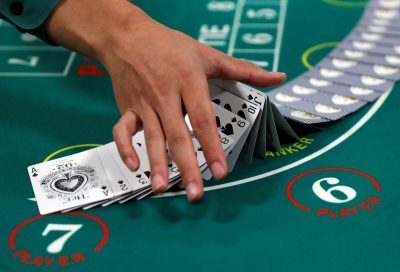
Initially, gambling may seem harmless, akin to going to a concert or enjoying a night out. Many individuals engage in it sporadically, finding joy in the entertainment value it provides. However, as the stakes rise, the boundary between fun and compulsion becomes blurred. This shift can lead to a myriad of psychological issues, including stress, anxiety, and depression, especially as individuals chase losses or succumb to the excitement of potential wins.
Consequently, the entertainment value of gambling can quickly devolve into an obsession. What starts as a casual pastime may evolve into a harmful addiction, with individuals losing control over their gambling habits. This transition is often subtle, making it crucial for individuals to recognize the signs before their gambling escalates into a significant problem that affects their mental health and personal relationships.
The psychological toll of gambling addiction
The psychological impact of gambling addiction can be profound and far-reaching. The constant pressure to recover losses can lead to heightened stress levels, anxiety, and feelings of hopelessness. Many individuals in this cycle often experience emotional turmoil, feeling trapped in a vicious cycle that they cannot escape. This internal struggle can manifest in various ways, including irritability, mood swings, and a general sense of dissatisfaction with life.
Furthermore, gambling addiction can negatively affect cognitive functions. Individuals may find it challenging to think clearly or make rational decisions, leading to impulsive behavior and poor judgment. This impairment can create a snowball effect, where one poor decision leads to another, further entrenching individuals in their addiction. Their once-clear understanding of risk and reward becomes clouded, often resulting in reckless betting and financial ruin.
In addition to personal consequences, the psychological impact of gambling addiction can extend to loved ones, straining relationships and causing emotional distress. Family members may feel helpless as they watch their loved one spiral into addiction, often leading to isolation and resentment. The stigma associated with gambling addiction can further complicate matters, making it difficult for individuals to seek help and for families to provide the necessary support.
Financial implications of gambling
While the psychological effects of gambling are significant, the financial ramifications are equally severe. Many individuals underestimate the amount of money they can lose, believing they can control their spending. However, the thrill of winning often overrides sound financial judgment, leading to significant losses that can jeopardize personal and family finances. This loss of control can result in mounting debts, bankruptcy, and a sense of despair.
Additionally, many gamblers may resort to desperate measures to recover their losses, such as borrowing money or engaging in unethical behaviors. This can lead to a downward spiral, where individuals find themselves in an increasingly precarious financial situation. The stress that accompanies financial instability can exacerbate mental health issues, creating a vicious cycle that is hard to break.
Understanding these financial implications is crucial for anyone engaging in gambling, whether casually or regularly. Many individuals fail to recognize that the costs of gambling extend far beyond the money spent on bets. Emotional turmoil and financial hardship can leave lasting scars, affecting not just the gambler but also their loved ones, who may suffer in silence as they navigate the consequences of someone else’s addiction.
The road to recovery
Recovery from gambling addiction is a challenging journey that requires commitment and support. The first step often involves acknowledging the addiction and understanding the extent of its impact on one’s life. This self-awareness is crucial for individuals looking to take control of their gambling behaviors. Recognizing that gambling is not merely a harmless pastime, but a potential addiction, can be a game-changer for many.
Support groups, therapy, and counseling can provide the necessary tools for recovery. These resources help individuals understand their triggers and develop healthier coping mechanisms. Cognitive-behavioral therapy, for instance, can assist individuals in reshaping their thought processes regarding gambling and money. The support of loved ones, whether family or friends, also plays a vital role in the recovery process, providing encouragement and accountability.
However, the journey to recovery is often fraught with challenges. Relapses can occur, and individuals may feel discouraged when they face setbacks. It is essential for recovering gamblers to have a solid support network and strategies in place to manage temptations and stress. Through patience, persistence, and proper support, it is possible to overcome gambling addiction and reclaim a fulfilling life, free from the hidden costs associated with this perilous activity.

Explore responsible gambling options
As gambling continues to evolve, particularly with the rise of online platforms, it is essential to prioritize responsible gaming practices. This includes understanding the risks involved, setting limits on time and spending, and recognizing when gambling may be crossing into problematic territory. Many online casinos and gaming platforms now offer features that promote responsible gambling, allowing users to set deposit limits, cooling-off periods, and self-exclusion options.
For individuals looking to enjoy gambling as a form of entertainment, being aware of these responsible gambling measures can make a significant difference. By engaging in gambling with a clear understanding of personal limits, individuals can maintain a healthy balance and enjoy the thrill without succumbing to the hidden costs associated with addiction. It’s important to approach gambling with a mindset that prioritizes enjoyment over financial gain.
Ultimately, while gambling can be entertaining, recognizing its potential risks is vital. Platforms that promote responsible gaming practices can provide a safer environment for those who choose to gamble. Users are encouraged to remain vigilant and mindful of their gambling habits to ensure they engage in the activity in a healthy, enjoyable manner.